
Engineered Hardwood Flooring
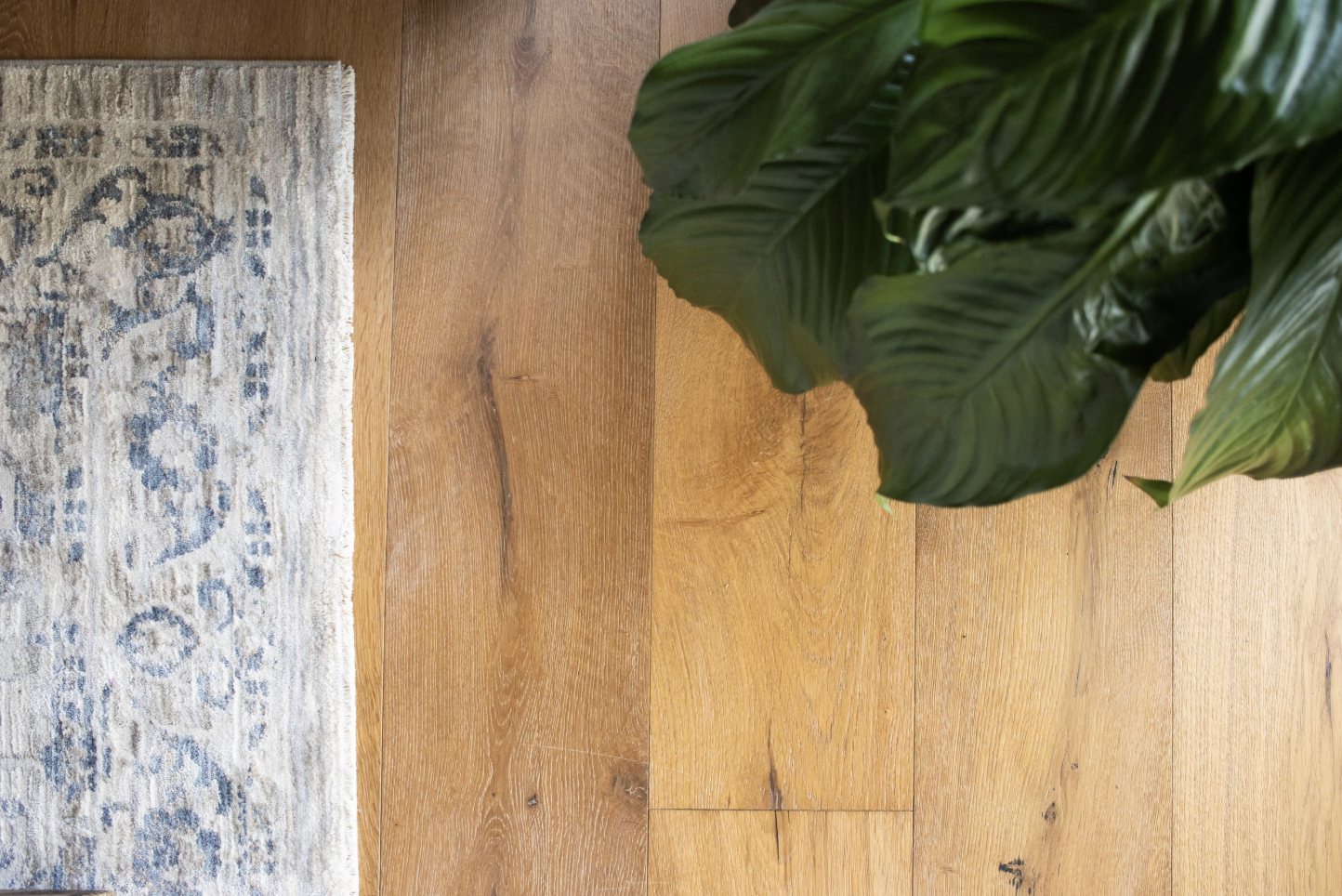
Hardwood flooring has always been considered the cream of the crop as a residential flooring choice. It has the ability to give an elegant, timeless and natural look for your home. In more recent years, Engineered hardwood flooring has become increasingly popular as an alternative to traditional solid hardwood flooring. We’ll be sharing a few reasons why we love engineered hardwood flooring!
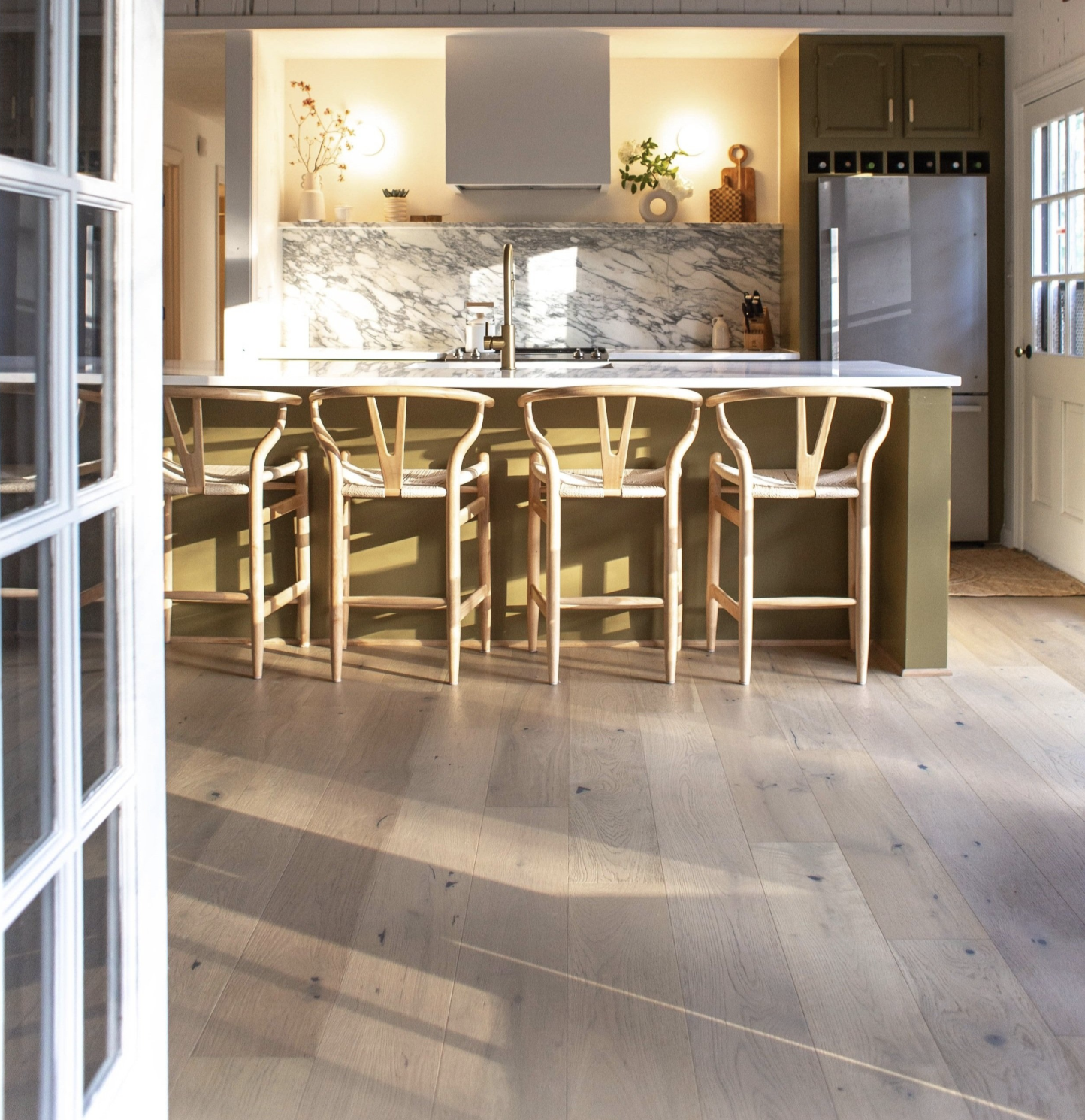
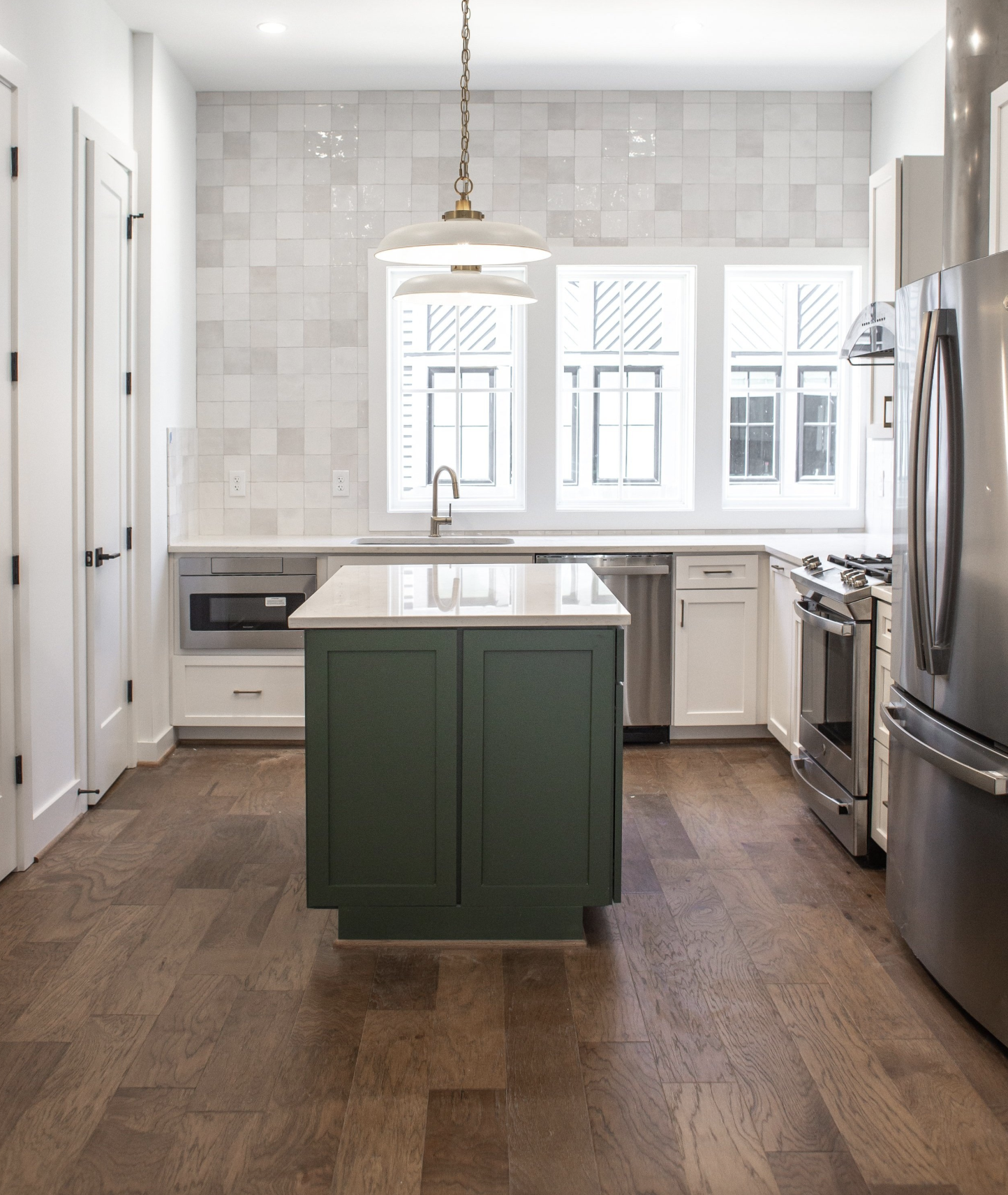
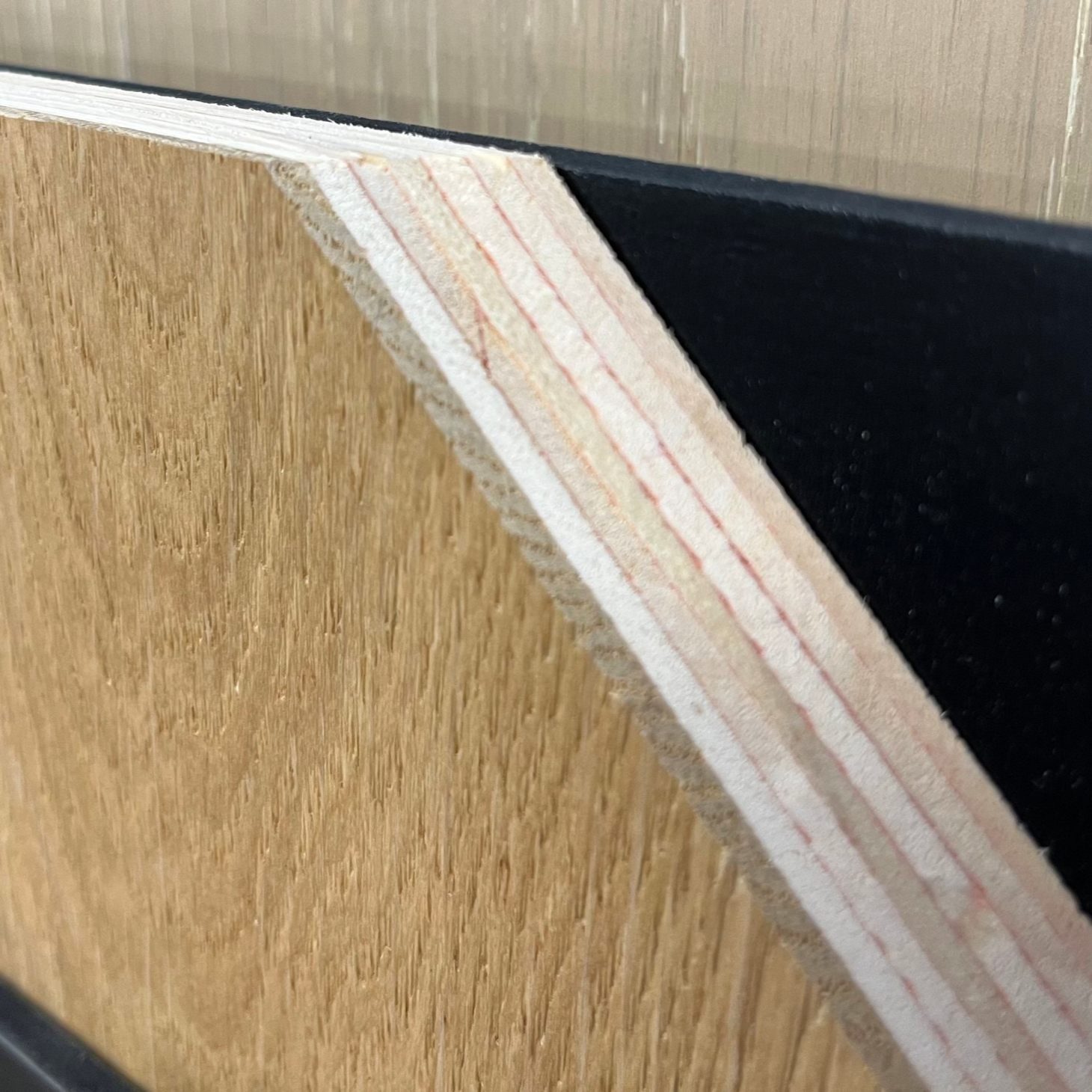
Let us first clarify that engineered hardwood is actually still wood. The “engineered” part is what lies beneath the top, thinner layer of hardwood… and even those under-layers are still, in fact, wood. Manufacturers utilize plywood to build up each plank to a typical thickness, and they lay them so that the direction of the grain alternates from layer to layer. The top layer is not plywood, but a thin layer of naturally beautiful oak or some other hardwood species.
Traditional hardwood, by contrast, is just one solid layer of wood all the way through. On the surface (pun intended), it might seem that this would always be the best option, but that’s not always the case. There are some advantages to engineered hardwood.
Engineered hardwood is prefinished. What does this mean? It means there’s no guessing when it comes to selecting exactly the color and finish you’re aiming for. It means a wide array of options from manufacturers who have spent time fine-tuning their stains and sheens. And perhaps best, it means that installation is the first and final step in the process. Unlike traditional hardwood – often referred to as “sand-and-finish” or “site-finished” hardwood – there’s no dusty sanding, no tenuous staining, no stinky sealing, and no waiting days and days for it to cure.
The resiliency of engineered wood often surpasses that of solid, traditional hardwood. Its layers of cross-grained plywood actually serve to fortify each plank, which makes them more resistant to the cupping and gapping that can occur with water damage or varying levels of humidity. This allows engineered wood to be installed in locations that solid wood would be ill-advised, such as the concrete substrate of a basement. The resilience of engineered wood also enables ultra-wide planks to be made that achieve a unique, high end look that will withstand the even more pronounced problems that moisture presents to wider cuts of solid wood.
The finish of engineered hardwood is harder and tougher. Think about a factory paint job on a vehicle as compared to a body shop paint job. After-market finishes never quite live up to the quality of the manufacturer’s. While site-finished flooring is at the mercy of the weather and conditions surrounding it (humidity, temperature, foot traffic from other tradespeople, etc.), flooring manufacturers use UV rays to bake on their finish in a controlled and consistent environment. They’re also able to use chemicals like aluminum oxide for a hardness and adherence that cannot be achieved on site.
Engineered wood is often more competitively priced than traditional sand-and-finish, solid hardwood. The elimination of installation steps along with the ability that manufacturers have to efficiently produce large volumes at a time usually lead to cost savings for homeowners.
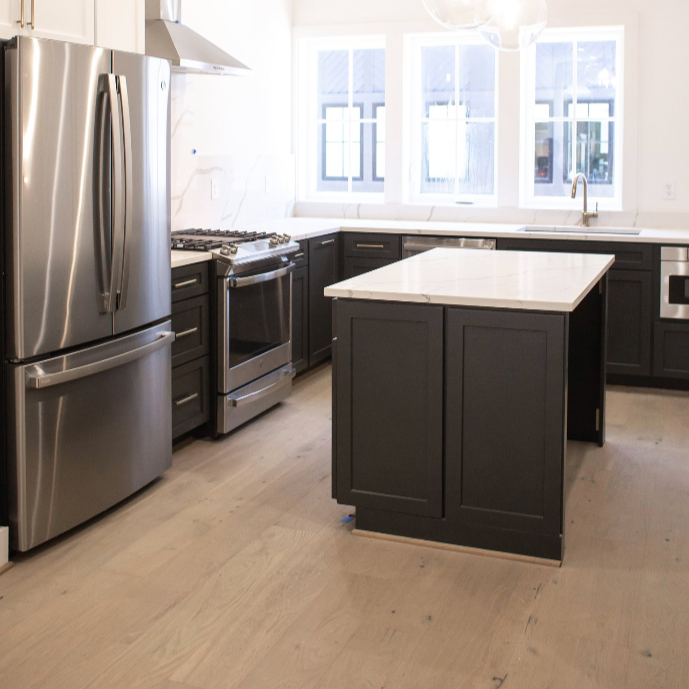
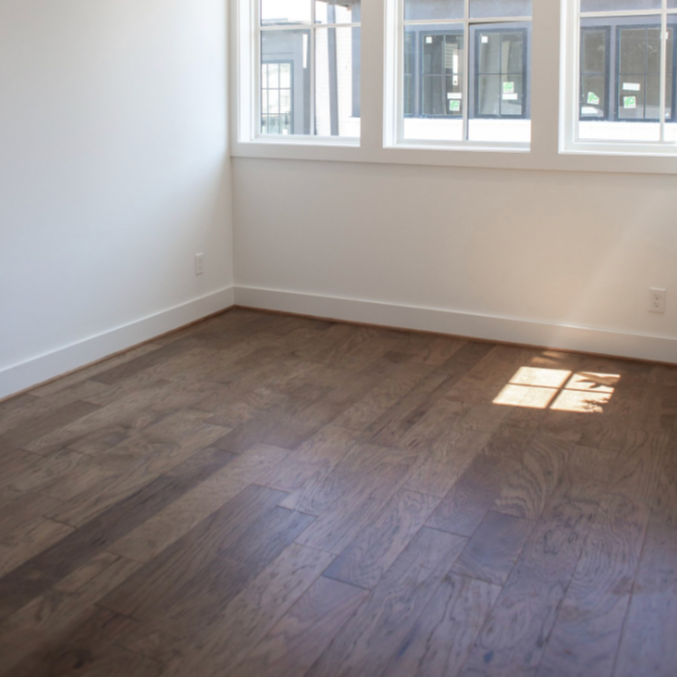
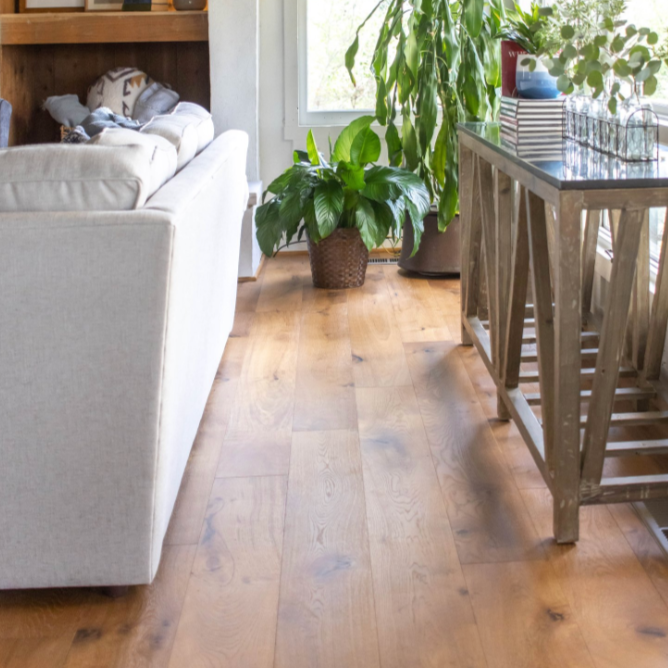
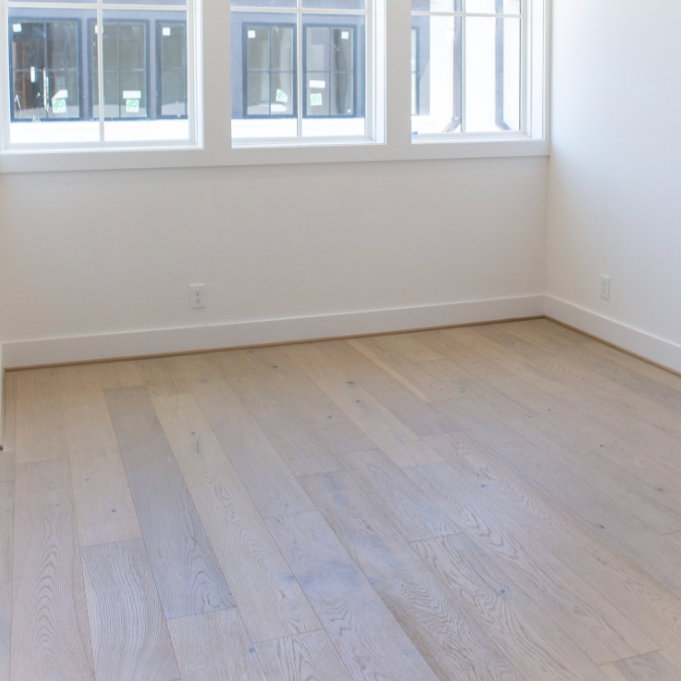
Engineered hardwood comes in many shapes, sizes, and colors to fit any style. Stop by our Pelham, Hoover, Chelsea, or Tuscaloosa locations to see our selection of beautiful engineered hardwoods and get started on your next project!